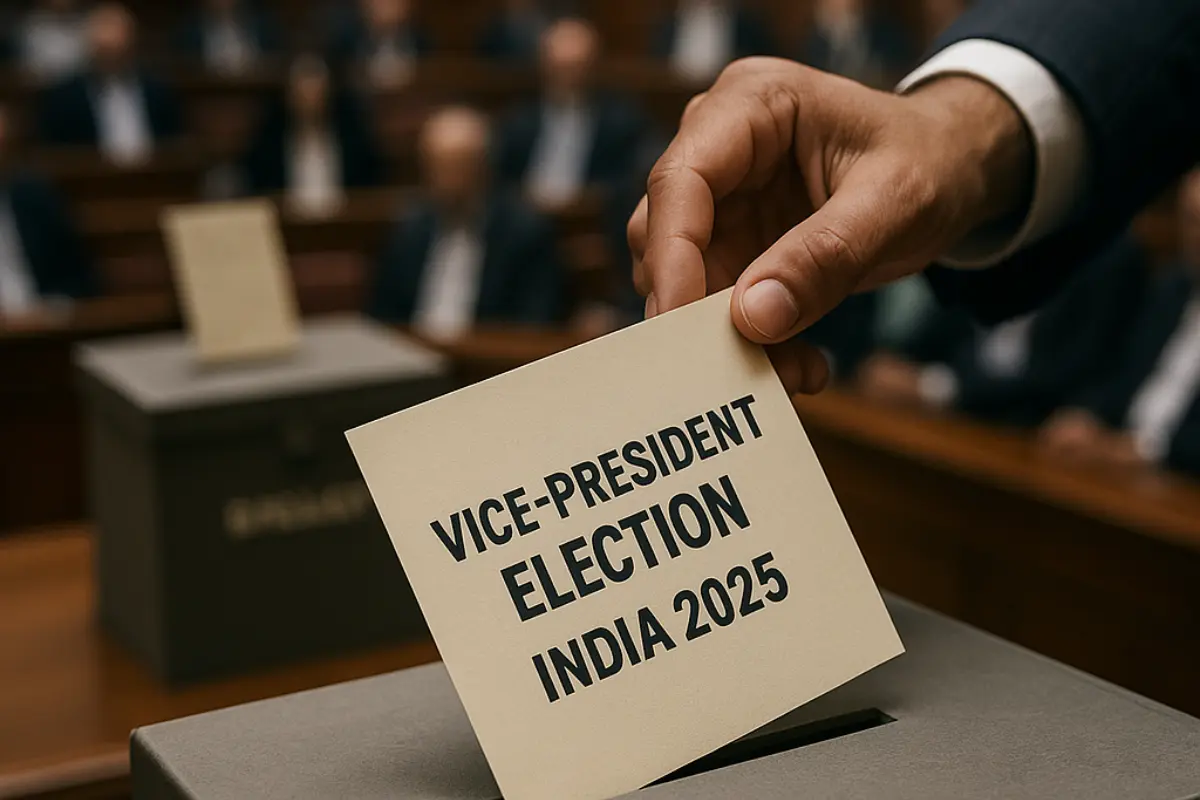
By weaponizing a constitutional tool unused for 40 years, the opposition successfully documented alleged government suppression on the Lok Sabha record, signaling permanent institutional gridlock.
 Brajesh Mishra
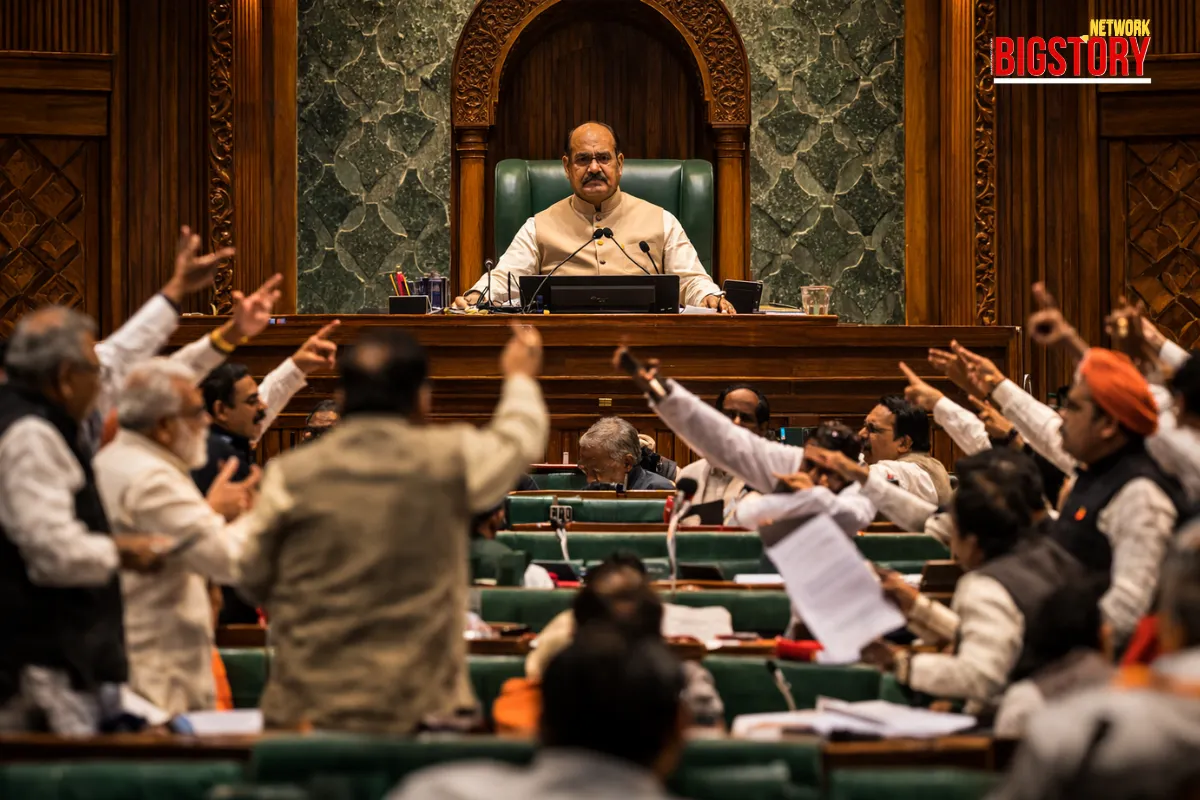
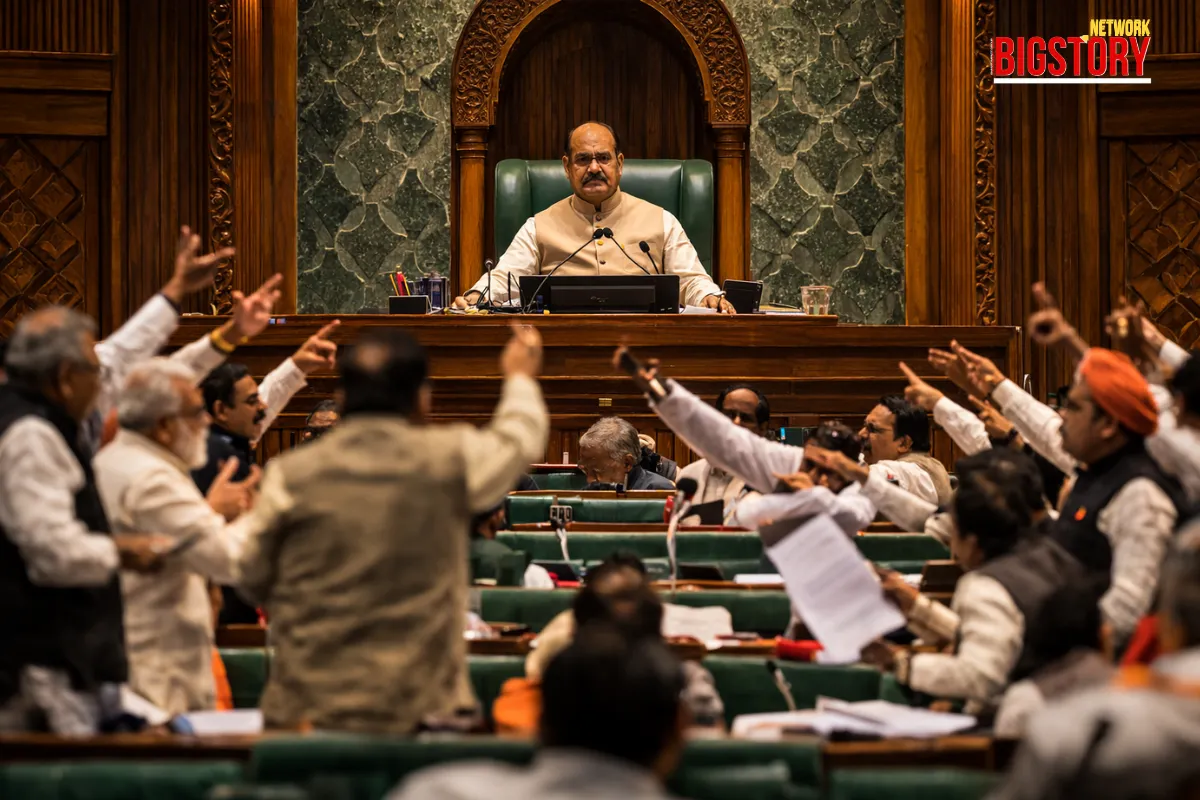
The dramatic sight of Lok Sabha Speaker Om Birla defending his role in Parliament in early 2026 confirmed that the world's largest democracy has entered a period of profound institutional gridlock. On Thursday, Birla returned to the Chair and fiercely defended his impartiality, declaring that parliamentary rules apply equally to all members—including the Prime Minister. His forceful address came just a day after a historic, opposition-led no-confidence motion against him was defeated via voice vote, capping off a bitter 12-hour floor debate.
While the ruling National Democratic Alliance (NDA) comfortably defeated the resolution mathematically, the political damage is irreversible. Over 100 opposition MPs formally accused the Chair of partisan conduct and deliberately silencing dissent, deploying a constitutional weapon that had remained untouched for four decades. The survival of the Speaker is now secondary to the stark reality that mutual trust within the Lok Sabha has been entirely shattered.
Om Birla, Speaker of the Lok Sabha Resuming his position after surviving the first no-confidence motion against a presiding officer in 40 years, Birla forcefully rejected allegations that he acts as a shield for the government. He clarified that microphones are automatically controlled by procedural recognition, stating, "I don't have a switch to turn the mic on or off."
Amit Shah, Union Home Minister Shah led the NDA's aggressive defense of the Speaker prior to the final voice vote. He launched a blistering attack on the opposition, accusing them of undermining India's democratic foundations and irresponsibly weaponizing a severe constitutional tool meant exclusively for "extraordinary" circumstances.
Gaurav Gogoi, Deputy Leader of Congress in Lok Sabha Gogoi spearheaded the opposition's parliamentary attack. He pointed directly to the disproportionate interruptions faced by the LoP when raising highly sensitive policy issues—such as the US-India trade deal and border tensions with China—arguing that the Chair had actively abandoned its mandate of neutrality.
Mainstream media outlets are treating the defeat of the motion as a definitive conclusion, focusing heavily on the procedural victory of the NDA, Amit Shah's blistering takedown of the opposition, and Om Birla's technical explanation regarding how the Lok Sabha audio system operates. This surface-level coverage misses the monumental shift in India's legislative framework: the normalization of the "nuclear" parliamentary option.
The fact that a no-confidence motion against the Speaker—a tool completely unused for four decades—was admitted and fully debated for 12 hours marks a permanent, structural fracture in parliamentary trust. Birla's subsequent defense that "even the PM needs permission" is a desperate attempt to retroactively restore a facade of neutrality. However, the opposition fully understood they lacked the numbers to unseat him. They successfully utilized the 12-hour debate as a strategic battering ram to place suppressed topics, particularly the controversial US-India trade pact and China border directives, permanently onto the official Lok Sabha record. They turned a guaranteed legislative defeat into a massive strategic narrative victory, exposing the executive's reliance on the Chair to avoid answering hard questions.
If 118 lawmakers officially declare that the referee of the world's largest democracy is rigging the game, does the final score of a voice vote actually matter?
News & Wire Coverage:
Official Statements & Data:
 Exclusive Content





Sign up for the Daily newsletter to get your biggest stories, handpicked for you each day.


 Trending Now! in last 24hrs